• How to Draw a Pistol Easily in 3 Simple Steps

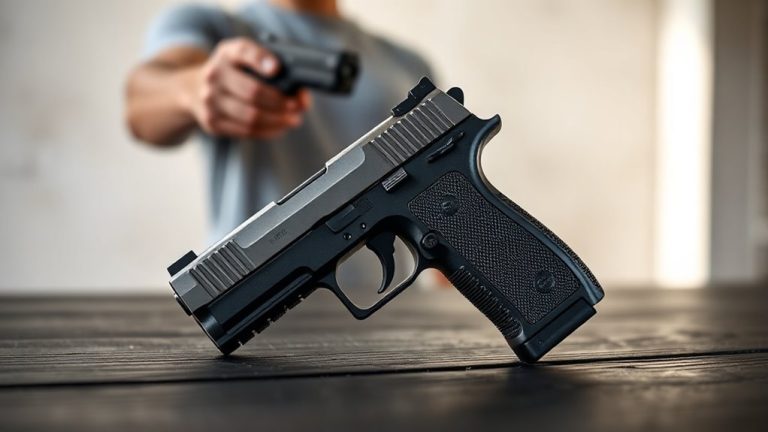
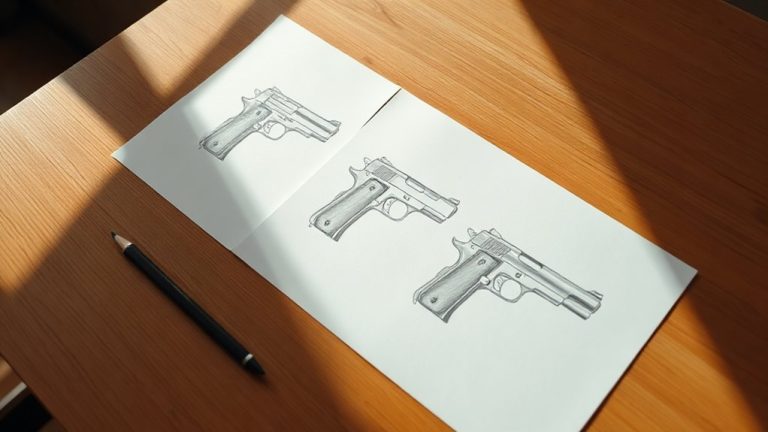
    To draw a pistol easily, start by sketching basic shapes—a long rectangle for the slide and a rounded block for the grip. Keep the proportions balanced so it looks right.

    Next, add key features like the slide’s ejection port, trigger guard, trigger, and front and rear sights. These details help define the form and make it recognizable.

    Finally, use shading to create depth. Darken recessed areas and add highlights along metal edges to bring it to life.

    Stick with these steps, and you’ll quickly gain confidence. Then, you can explore finer details and textures.
  • Are Pistol Braces Still Legal in 2027?

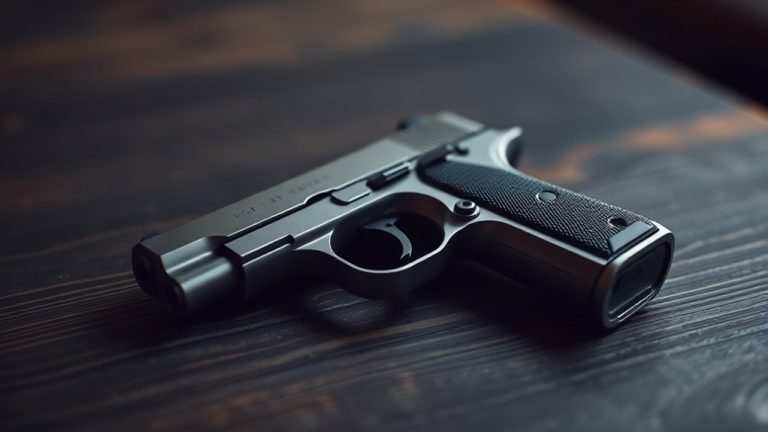
    In 2027, pistol braces remain in a legal gray area. Federal enforcement is limited by a Fifth Circuit injunction protecting certain users from the ATF’s stabilizing-brace rule, which classifies some braces as short-barreled rifles under the NFA.

    However, other owners face compliance uncertainty, plus varying state laws that often impose stricter rules or bans. Penalties could apply if you don’t follow evolving regulations.

    Understanding how courts, the ATF, and states shape the rules can clarify your options. It’s a good idea to stay informed and keep an eye on any changes that might affect you.

  • What Is a Single Stack Pistol?

    A single stack pistol feeds cartridges in a single, straight column, making the grip slimmer and easier to conceal. You’ll find these pistols often hold 6 to 8 rounds, typically chambered in 9mm or .45 ACP. Manual safeties are common too.

    They fit smaller hands better and help reduce fatigue. Basically, they trade capacity for comfort and concealability. If you want to understand how single stacks compare to doubles and explore top models and features, there’s plenty more to uncover.

  • What Is a 5.7 Pistol Good For in Self-Defense?

    A 5.7 pistol is great for self-defense because it offers flat, fast ballistics with low recoil, letting you quickly follow up accurate shots under stress. You’ll appreciate its high-capacity magazines, often holding 20+ rounds, so you stay equipped longer without frequent reloads.

    Its balance of penetration and controlled expansion helps stop threats effectively while reducing over-penetration risks. If you want to know how it stacks up in accuracy, handling, and pairing with a carbine, there’s more insight ahead.

  • How Does a Flintlock Pistol Work Step by Step

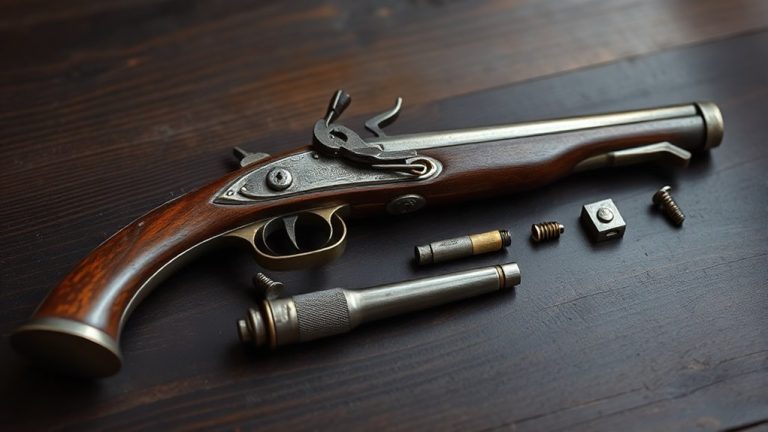
    You start by moving the hammer to half-cock, securing it while you add priming powder into the pan and close the frizzen to keep it dry. Then, cock the hammer fully, aim safely, and pull the trigger.

    The flint strikes the frizzen, creating sparks that ignite the priming powder. This flame travels through the touch hole to ignite the main charge, firing the projectile.

    If you want to understand more about common issues and fine details, there’s plenty to explore. Just take it step by step, and you’ll get the hang of it!

  • How Does a Semi Automatic Pistol Work Step by Step

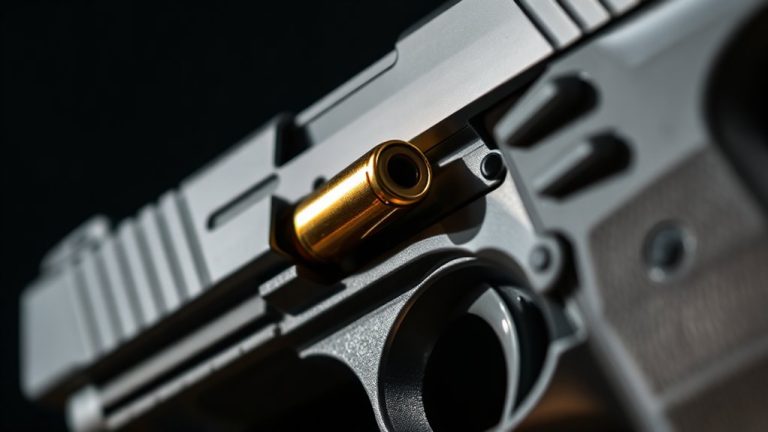
    When you pull the trigger on a semi-automatic pistol, it fires one shot by releasing the hammer or striker to ignite the cartridge. The expanding gases push the bullet out and drive the slide backward, ejecting the spent casing.

    Then, the recoil spring pushes the slide forward, chambering a new round from the magazine. You have to release and pull the trigger again for each shot.

    Keep following to uncover how the slide, recoil spring, and magazine work together to keep it running smoothly. It’s pretty cool how all these parts coordinate to make the pistol work efficiently.

  • Who Makes the 5.7 Pistol?

    If you’re looking for who makes the 5.7 pistol, top manufacturers include FN Herstal with their premium Five-seveN, Ruger’s budget-friendly Ruger 57, Smith & Wesson’s mid-range M&P 5.7, and Kel-Tec’s PR57.

    Each offers unique features like varying barrel lengths, magazine capacities, and finishes to fit different needs and budgets. Keep exploring to understand what sets each model apart and which one might suit your style best.

  • What Is a CO2 Pistol and How Do You Use It Safely?

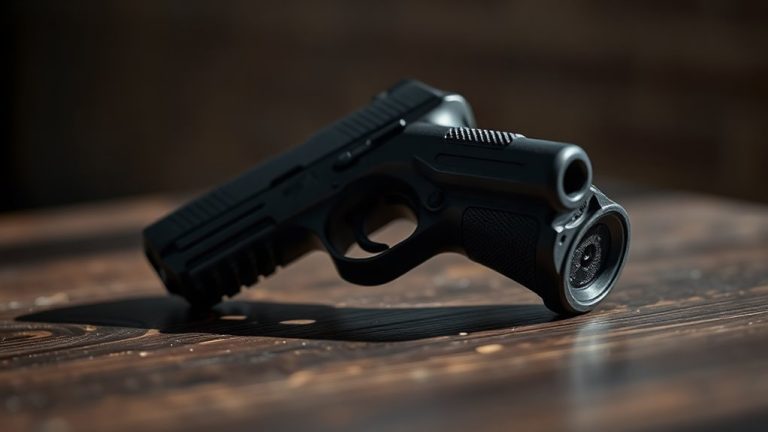
    A CO2 pistol uses sealed cartridges to propel pellets using gas pressure, not combustion. To use it safely, store it in a cool place away from heat. Never leave cartridges loose in hot areas, and replace cartridges only when power runs low.

    Handle cartridges carefully with eye protection, especially in cold or hot weather, as temperature affects performance and safety. Mastering these basics helps ensure smooth, reliable use while avoiding common risks.

    And understanding more details will boost your confidence and safety. It’s all about getting comfortable with how your CO2 pistol works and treating it with care.

  • How to Build an AR Pistol in 3 Simple Steps

    Start by choosing a mil-spec AR pistol lower parts kit with roughly 65–100 components. This kit usually includes a trigger and buffer system, plus brace-ready hardware for reliability.

    Next, carefully assemble the lower receiver. Make sure to secure all springs, pins, and the trigger group without losing those tiny parts — they can be tricky!

    Finally, mount the upper receiver, making sure the gas system matches the barrel perfectly. Don’t forget to complete safety checks like trigger reset tests.

    Keep following to uncover detailed tips for flawless AR pistol building. You’ll want to get each step just right!

  • What Happens When You Eat Conch Pistol?

    When you eat conch pistol, you’ll notice a firm, chewy texture with a salty, briny flavor that’s very ocean-forward. It tastes less sweet than other conch dishes and feels almost sinewy, offering an unusual yet intriguing seafood organ experience.

    You might find it surprising at first, but it’s a cherished island tradition often enjoyed as part of a ritual. If you keep exploring, you’ll discover how it’s prepared, enjoyed safely, and why it’s so beloved in Bahamian culture.